Biodiversity
Nature at the heart of the design
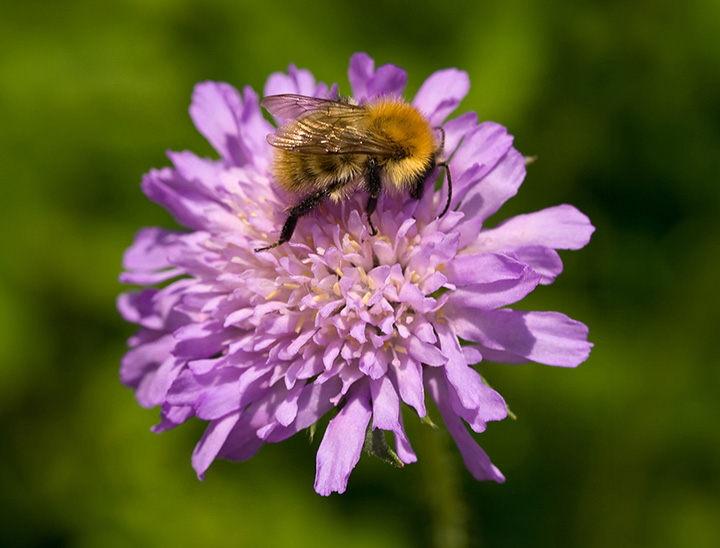
Ermine Fields has been shaped by the landscape. The masterplan retains existing trees, hedgerows and footpaths, while adding new green spaces like meadows and wetlands. These areas will support wildlife, offer places for people to enjoy nature, play and help connect the new homes to the wider countryside. The planning application will be accompanied by a suite of species surveys which will consider any impacts to protected species and how this impact will be mitigated, where necessary.
Key features
Boosting biodiversity
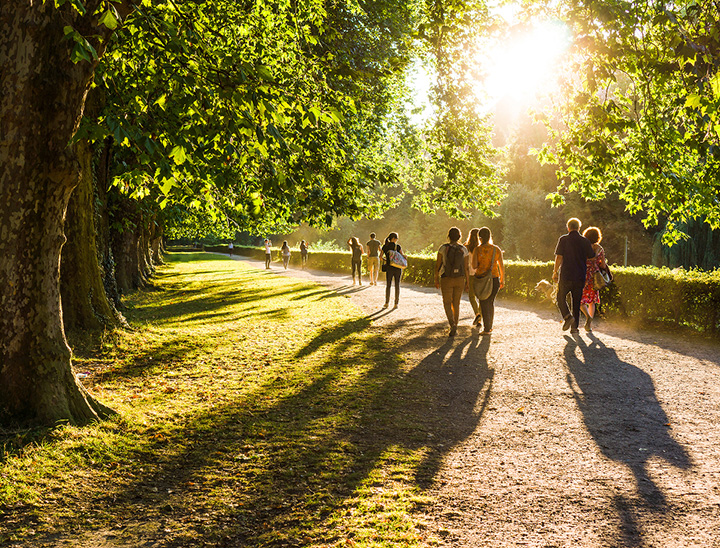
The site proposals include several measures to improve and expand active travel routes:
- Landscape-led design
The layout of Ermine Fields has been shaped around the natural features of the site, keeping existing trees, hedgerows and footpaths wherever possible. - Green corridor through the site
A central corridor will bring nature into the heart of the development, with planting, natural features to manage rainwater, and green spaces for people and wildlife. - New public parkland
Inspired by traditional town meadows, the parkland will include wetlands, meadows and trees to enhance biodiversity and offer a place for people to walk, play, and enjoy nature. - Green streets
The development is expected to include tree-lined streets with hedgerows and planting, creating a green and welcoming character while supporting wildlife across the site. These ideas reflect the early vision for the landscape, with detailed designs to be confirmed at a later stage. - Biodiversity net gain
More wildlife-friendly habitats will be created than currently exist, helping pollinators and local species thrive. These enhancements are expected to deliver at least a 10% net gain in biodiversity. - Future-proof design
Planting will use species suited to local conditions, helping the site adapt to changing weather and supporting long-term biodiversity gains.